

Summary: A physical exam helps evaluate your overall health even when no obvious symptoms are present. These evaluations often include vital sign checks, medical history review, lifestyle discussions, and lab testing to help detect potential health concerns early. Physical exams in El Paso support preventive care by helping providers monitor changes over time, identify possible conditions sooner, and guide long-term wellness for both adults and children.
A physical exam helps evaluate how your body is functioning overall, even when no obvious symptoms are present. Many health conditions develop slowly over time, which is why routine medical evaluations continue to play an important role in preventive healthcare and long-term wellness.
Regular physical exams in El Paso may include health screenings, lab work, vital sign monitoring, medical history review, and conversations about lifestyle habits that could affect your health. At Primary Care El Paso, physical exams are available for adults, children, sports participation, school requirements, and work-related evaluations.

What does a physical exam usually include?
Most physical exams begin with a conversation about your current health, medical history, medications, lifestyle habits, and any symptoms you may have noticed recently. Providers use this information to better understand your overall condition before moving into the physical evaluation itself.
During the appointment, providers commonly check:
- Blood pressure
- Heart rate
- Weight and BMI
- Temperature
- Breathing patterns
- Heart and lung function
Some visits may also include abdominal evaluation, mobility assessment, and recommendations for additional screenings depending on age or medical history.
Why do annual physical exams matter so much?
Many illnesses do not cause noticeable symptoms in the beginning. High cholesterol, diabetes, hypertension, and some metabolic conditions may continue progressing quietly for years before patients realize something is wrong.
That is why annual physical exams remain such an important part of preventive healthcare. Regular evaluations help providers monitor changes over time and identify possible concerns earlier, when treatment may be more manageable. Many of these evaluations are also connected to the broader role of preventive medicine in El Paso, where early detection and consistent monitoring help support long-term health management.
Patients who maintain yearly visits often have better opportunities to:
- Detect health changes early
- Monitor chronic conditions
- Stay updated on screenings
- Review medications
- Discuss lifestyle concerns
Preventive care becomes much more effective when small issues are identified before becoming larger medical problems.
Can physical exams include lab testing?
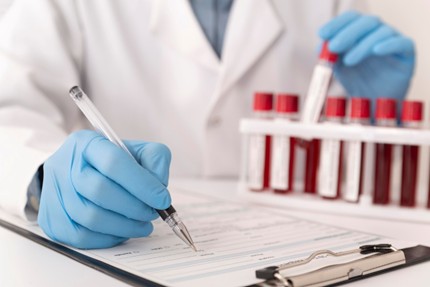
Yes, and in many cases lab work plays an important role during a physical examination. Some health conditions cannot be identified through symptoms or a standard evaluation alone, which is why blood tests and diagnostic screenings are often recommended. At Primary Care El Paso, our providers recommend testing based on age, symptoms, medical history, or risk factors.
Common lab tests may include cholesterol panels, glucose testing, thyroid evaluation, kidney and liver function testing, or complete blood counts. These tests help providers gain a clearer understanding of how the body is functioning internally.
Are physical exams different for adults and children?
Yes. Physical exams are adjusted according to age, developmental stage, and medical needs.
For children, exams often focus on growth milestones, coordination, vaccines, and overall development. Sports and school physicals may also include evaluations related to physical activity readiness and participation safety.
Adults usually receive more screening-focused evaluations because providers monitor for conditions that become more common with age, such as diabetes, high cholesterol, blood pressure changes, hormonal shifts, and cardiovascular concerns.

What should patients bring to a physical examination appointment?
Preparing for your appointment helps providers perform a more complete and accurate evaluation. Patients should try to bring updated medication lists, previous medical records if available, vaccination information, and details about symptoms or health changes they have noticed recently.
It also helps to discuss habits honestly during the visit. Sleep quality, nutrition, exercise, stress levels, and smoking or alcohol use may all influence your overall health and future screening recommendations. Even symptoms that seem minor sometimes provide useful information during a physical examination, especially when they continue over time.
Can physical exams help uncover hidden conditions?
Yes. One of the biggest advantages of preventive healthcare is identifying medical concerns before symptoms become severe.
Some patients complete routine appointments and later discover issues involving blood sugar, cholesterol, thyroid function, or blood pressure that previously went unnoticed.
Routine health tests may help uncover:
- Early diabetes risk
- Vitamin deficiencies
- Hormonal imbalances
- Cardiovascular concerns
- Signs of infection
- Metabolic changes
Early detection may improve treatment outcomes and reduce long-term complications associated with untreated conditions.
Do sports and work physicals evaluate different things?
They can. Physical requirements often vary depending on the institution requesting the exam.
Sports physicals commonly focus on strength, coordination, mobility, heart health, and physical readiness for athletic participation. Providers may also review previous injuries or medical conditions that could affect sports performance or safety.
Work physicals may involve documentation, general health clearance, vaccinations, or screenings required by employers.
How often should adults schedule physical exams?
For most adults, yearly exams are recommended as part of ongoing preventive care.
However, patients managing chronic conditions may require more frequent follow-ups depending on their health history and treatment plan.
Some factors that may increase the need for regular evaluations include:
- High blood pressure
- Diabetes
- Obesity
- Thyroid disorders
- Family history of chronic disease
- Smoking history
Regular monitoring helps providers identify changes earlier and adjust treatment or screening recommendations when necessary.
What happens after the physical exam is completed?
Once the evaluation is finished, providers typically review findings, recommend additional testing if needed, and discuss any concerns identified during the appointment.
Some patients may only require routine follow-up the following year, while others may benefit from additional lab work, medication adjustments, lifestyle recommendations, or specialist referrals depending on their results.
The appointment also gives patients time to ask questions about symptoms, screenings, nutrition, exercise, vaccines, or ongoing medical concerns that may not always come up during urgent care visits.
Why consistency matters more than waiting for symptoms?
Many people postpone routine exams because they feel healthy enough to continue daily life without medical care. The problem is that several chronic conditions develop quietly, especially during the early stages.
A consistent preventive care routine gives providers the opportunity to monitor changes over time instead of reacting only after symptoms become more serious. That long-term approach often supports earlier diagnosis, more manageable treatment, and better overall health outcomes.
At Primary Care El Paso, patients receive comprehensive physical exams for adults and children, including wellness visits, school physicals, sports physicals, work evaluations, preventive screenings, and ongoing healthcare support. If it has been a while since your last exam, scheduling a preventive visit may help you stay more proactive about your long-term health.